Volumetric Weight: Measure Right, Pay Less
Wrong box size = extra delivery charge.
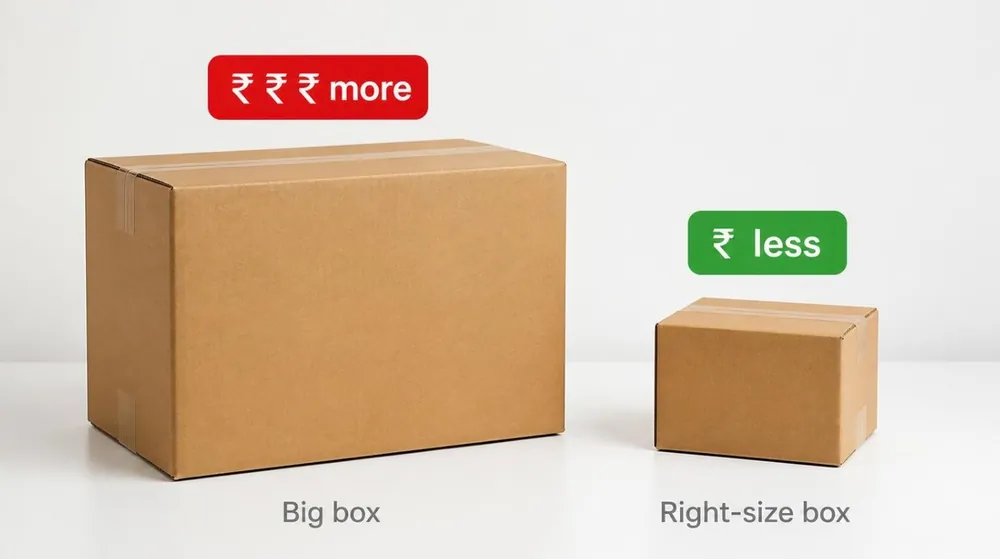
In short
- 1Couriers charge on the higher of real weight and box-size weight (L × W × H ÷ 5000).
- 2Measure the packed box outside, round up, and enter the same size and weight in the app or portal.
- 3Take 2 photos before pickup: one for size, one for weight.
What is volumetric weight?
Couriers charge for SPACE, not only weight.
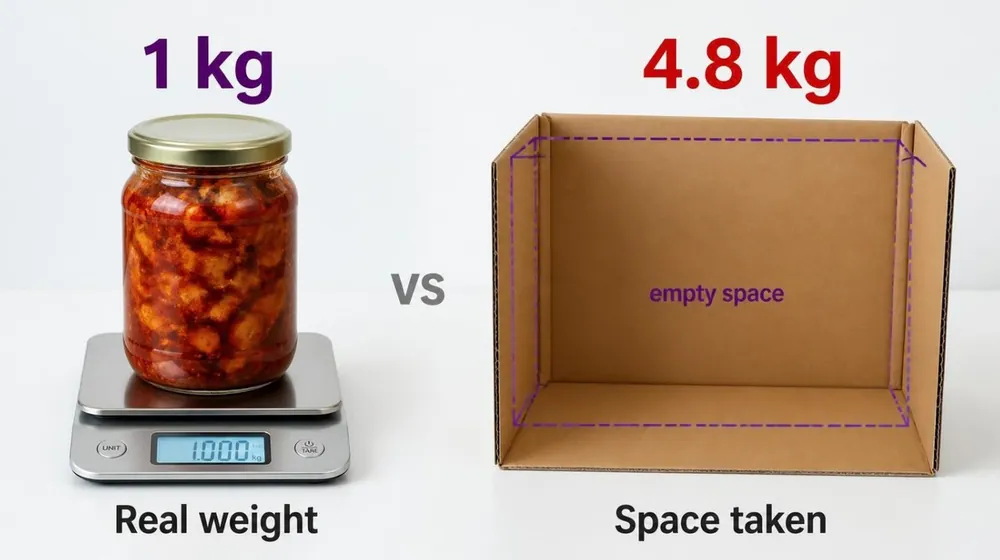
The higher one is charged.
Why right-size packing helps
- Lower packing cost
- Cheaper delivery
- Fewer damages
- Easier to carry and store
- Happier customers
The formula
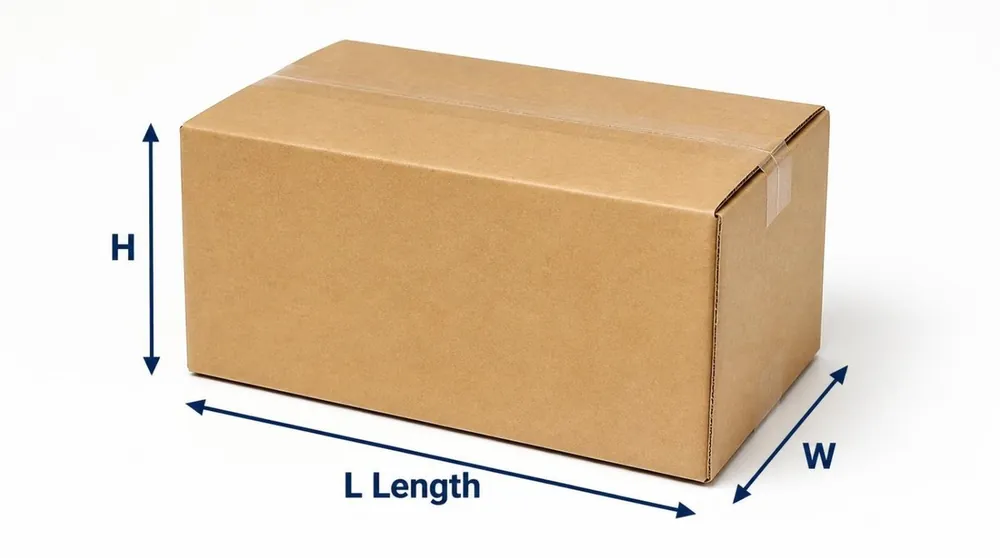
L = Length, W = Width, H = Height.
Most couriers use L × W × H ÷ 5000.
Example: product weighs 1 kg
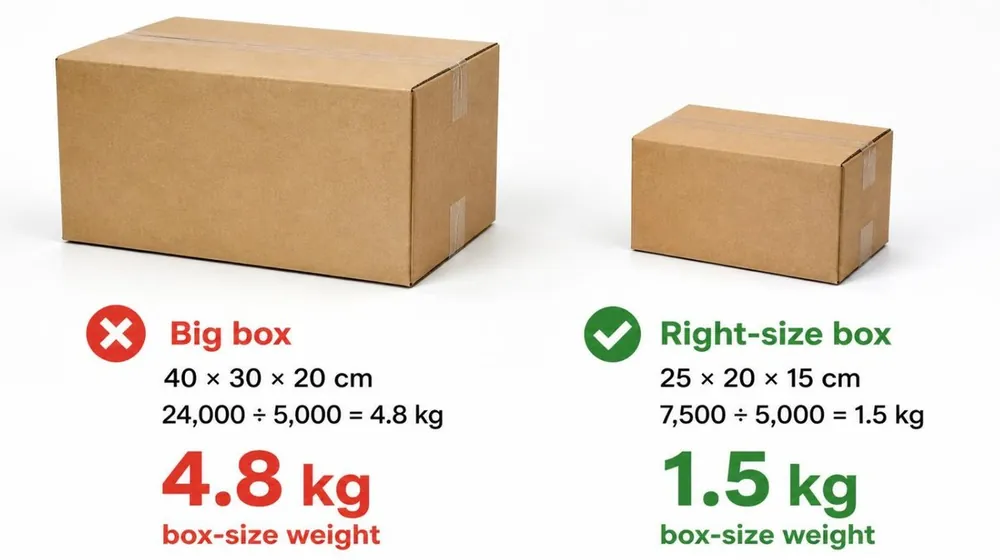
Same product. Right-size box = lower charge.
You pay on the higher weight, rounded up to the courier's weight slab. Rules can differ by courier.
What if you enter the wrong size?
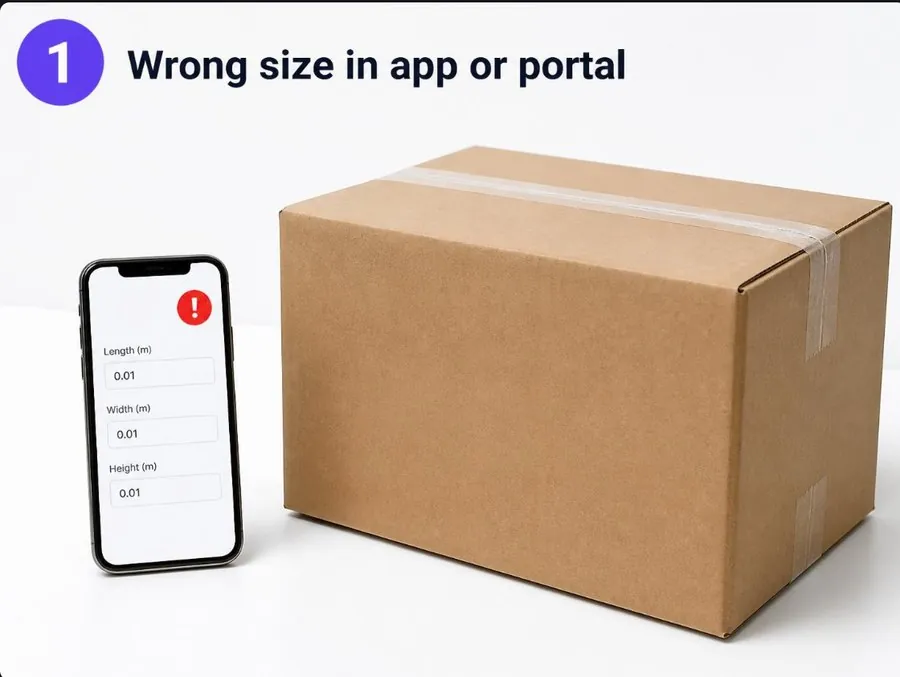
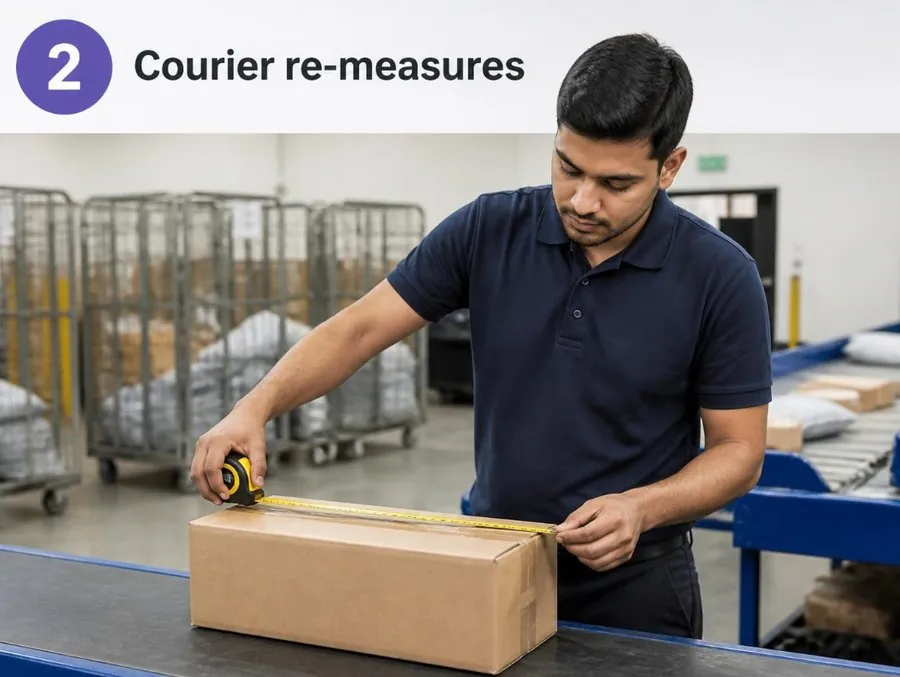
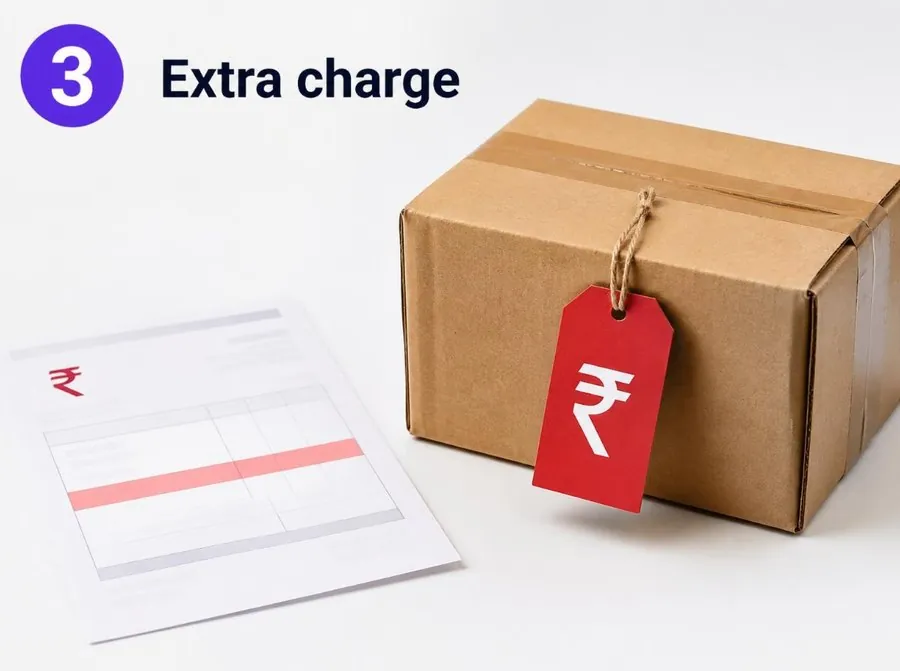
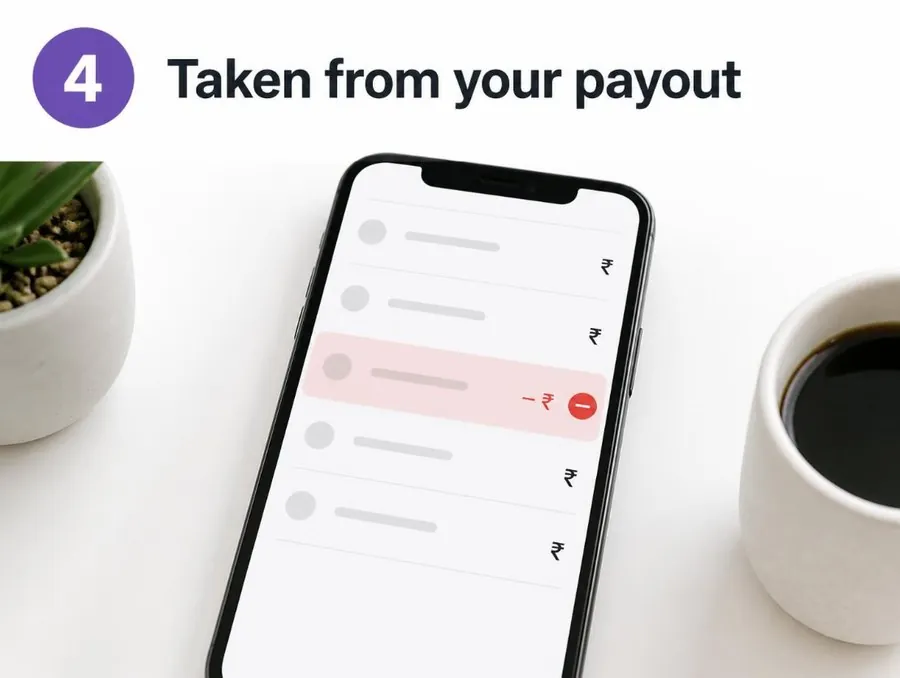
Common reasons
- Wrong box size entered
- Product weight entered, not parcel weight
- Box or filler changed after entering details
- Mixed up g and kg
- Weight rounded up to the next slab
Extra charge? Check your measurements first.
- Your delivery may also be delayed.
- A late order can mean a bad review or a lost customer.
Box size on the listing is usually the INSIDE size
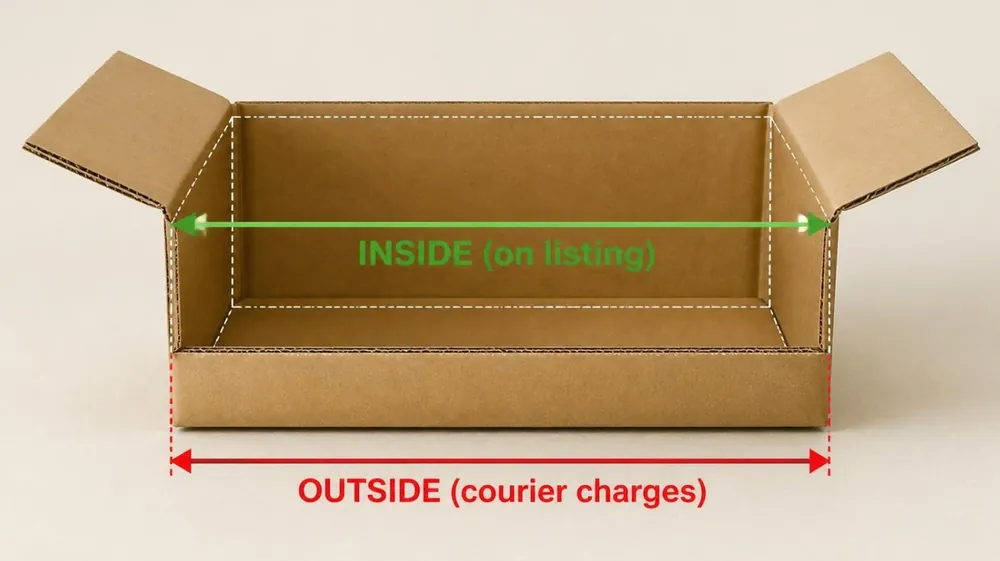
Single-wall box
+3–5 mmon each side
Double-wall box
+7–8 mmon each side
- Box sellers often list the INSIDE size
- Couriers charge by the OUTSIDE size
- Never enter the size from the box listing
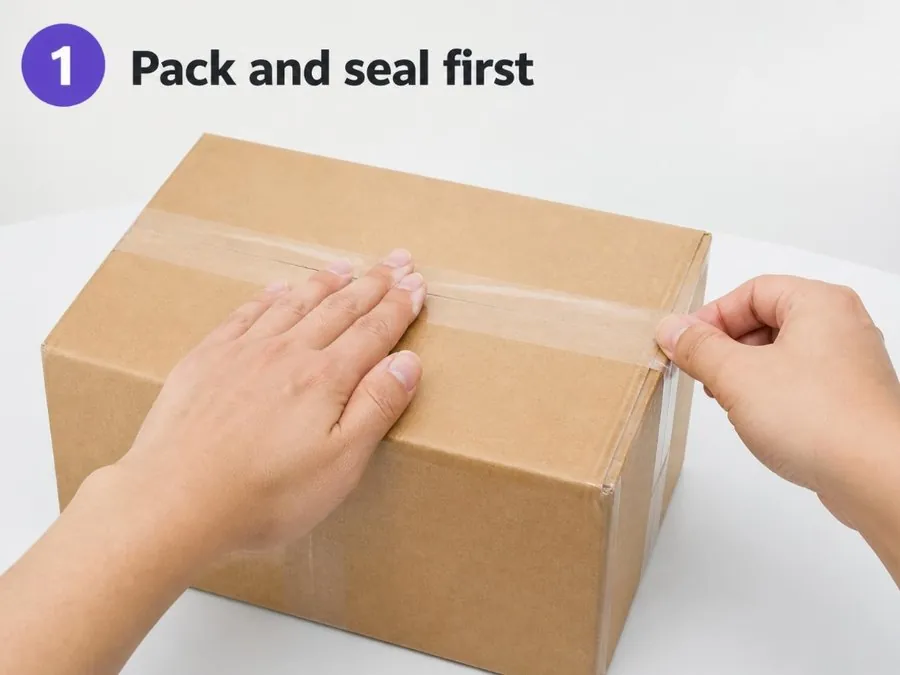
Measure after packing.
Product weight is not parcel weight
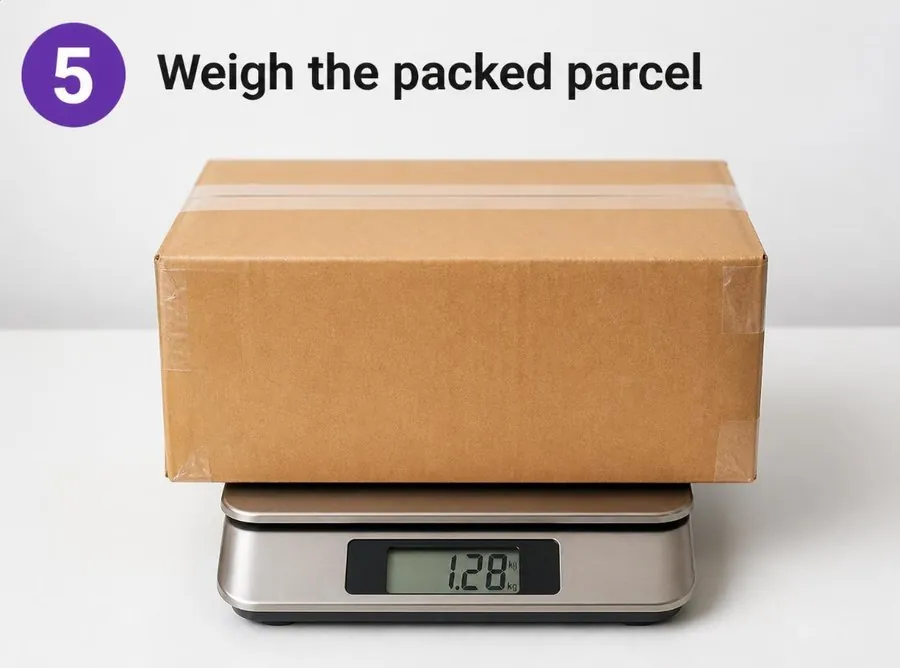
Enter THIS weight (the parcel) in the app or portal.
- Product weight = only the product
- Parcel weight = product + jar + box + filler + tape + label
- The courier weighs the sealed parcel, not the product
- Add g and kg correctly: 1 kg = 1,000 g
Sample numbers for illustration.
How to measure
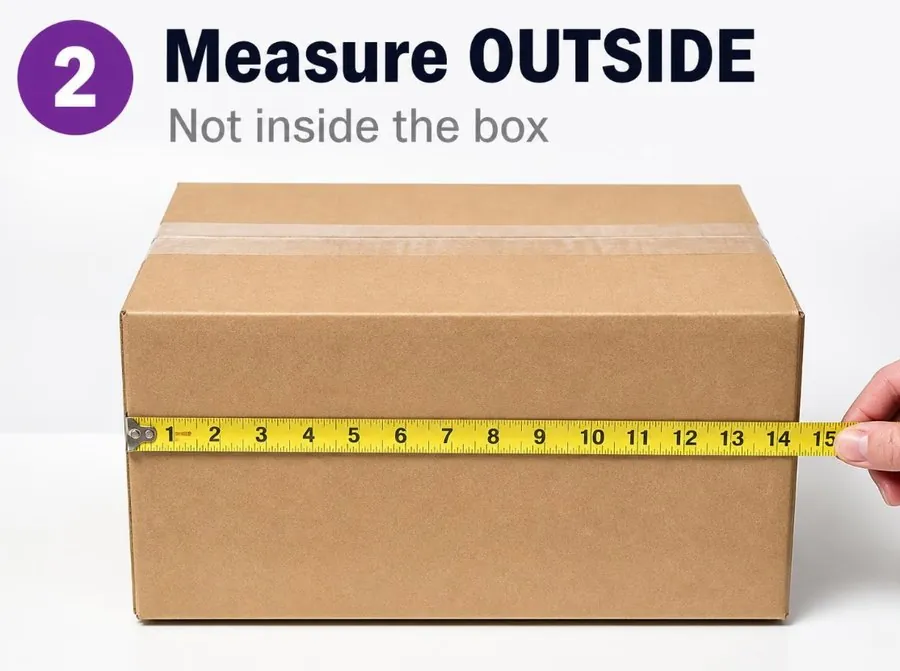
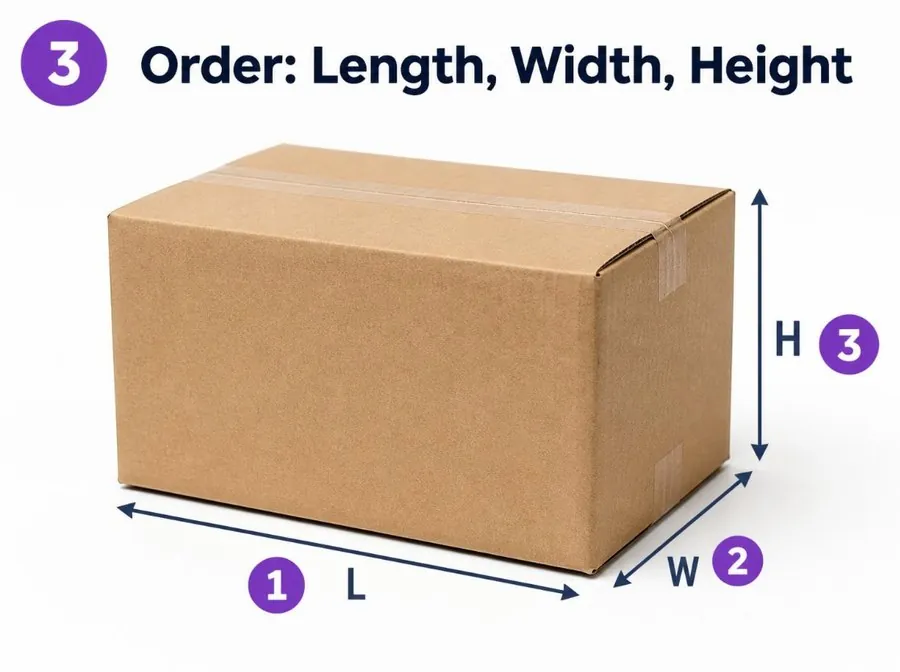
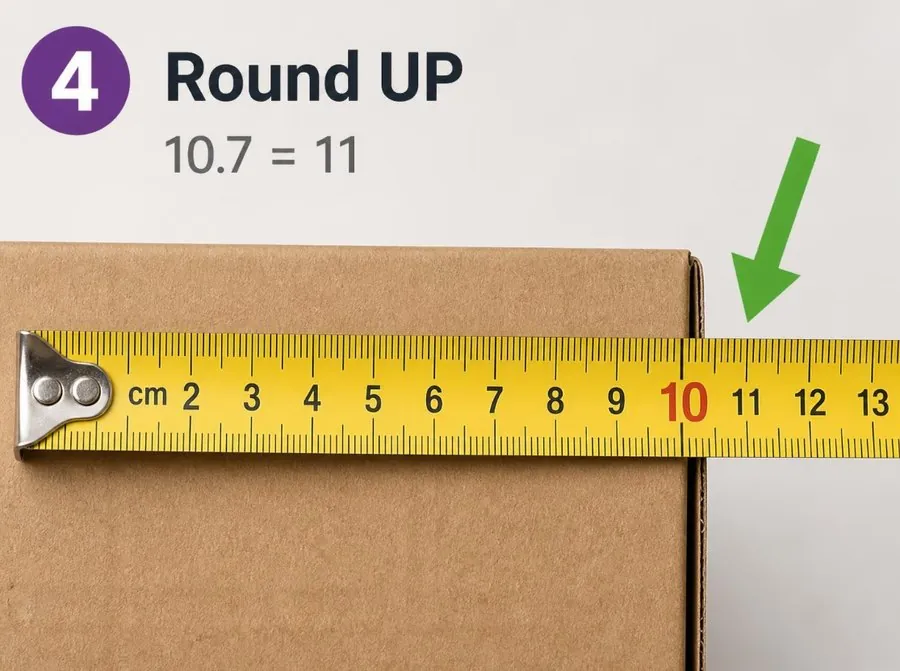
What L, W and H mean
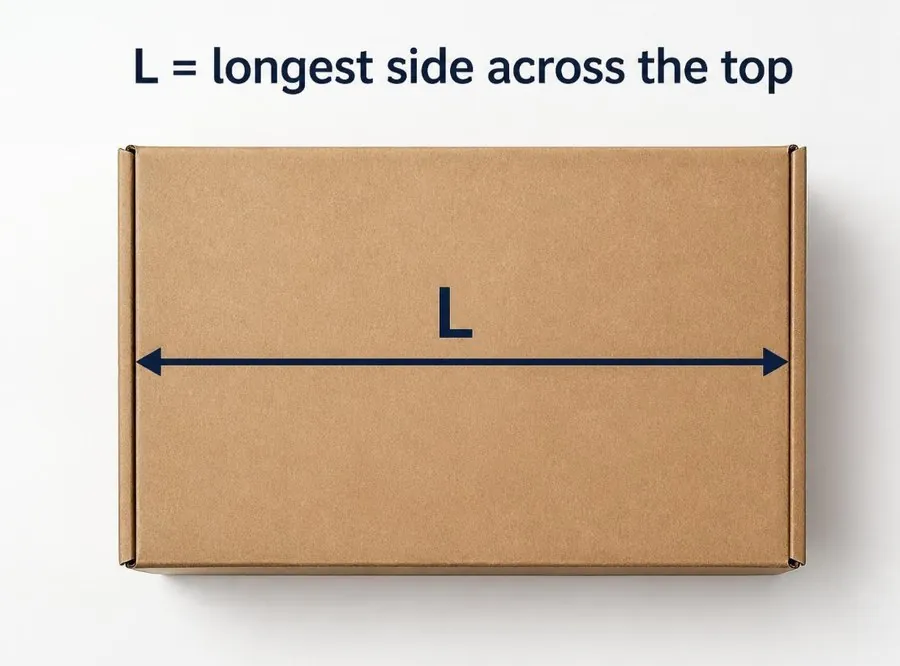
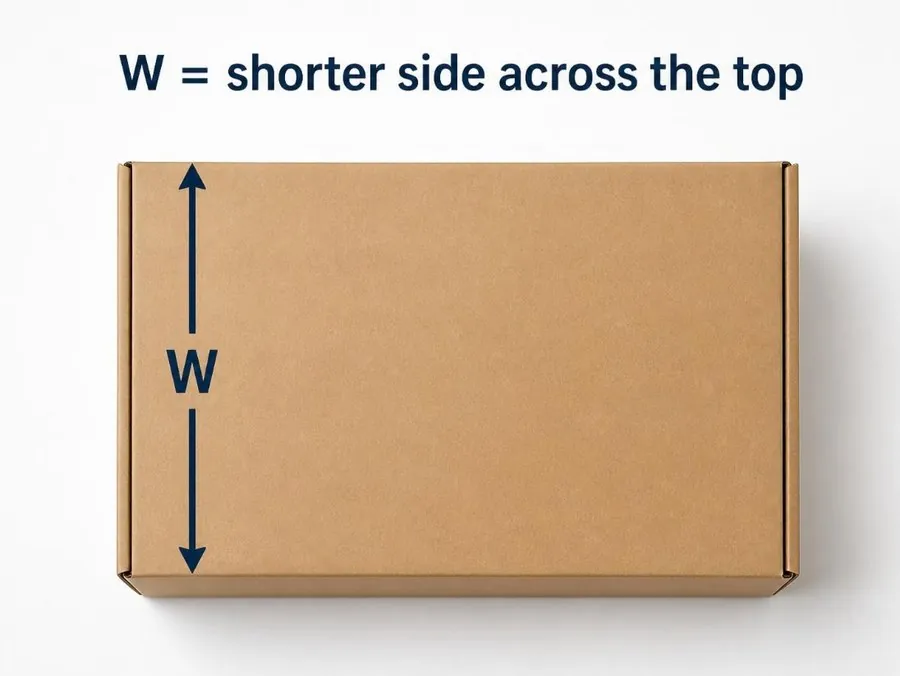
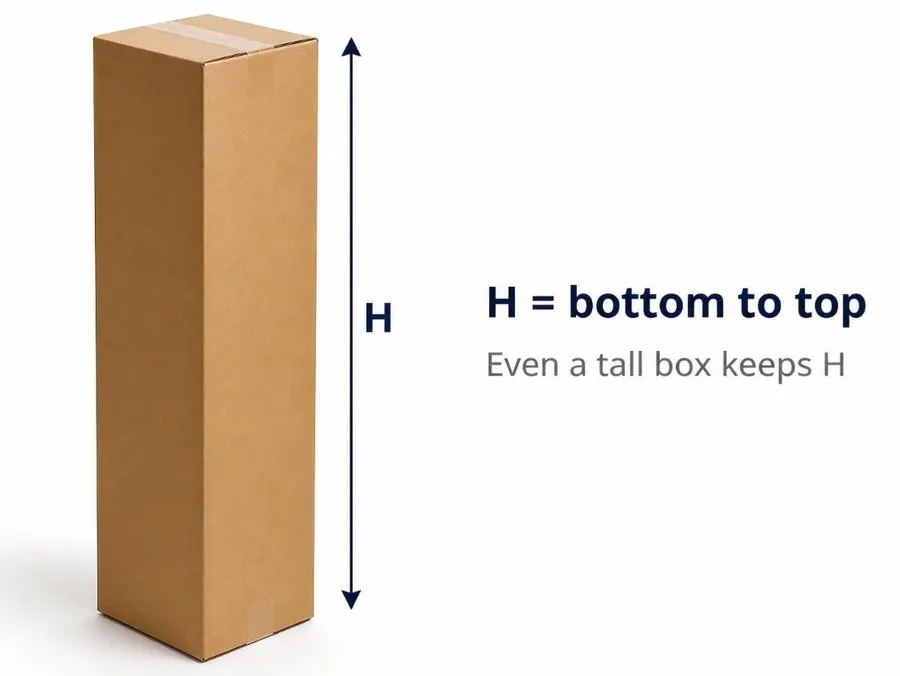
Tools you need
- Tape measure
- Pen and notepad
- Phone calculator
- Ruler (small boxes)
A flexible tape is easiest for sealed boxes.
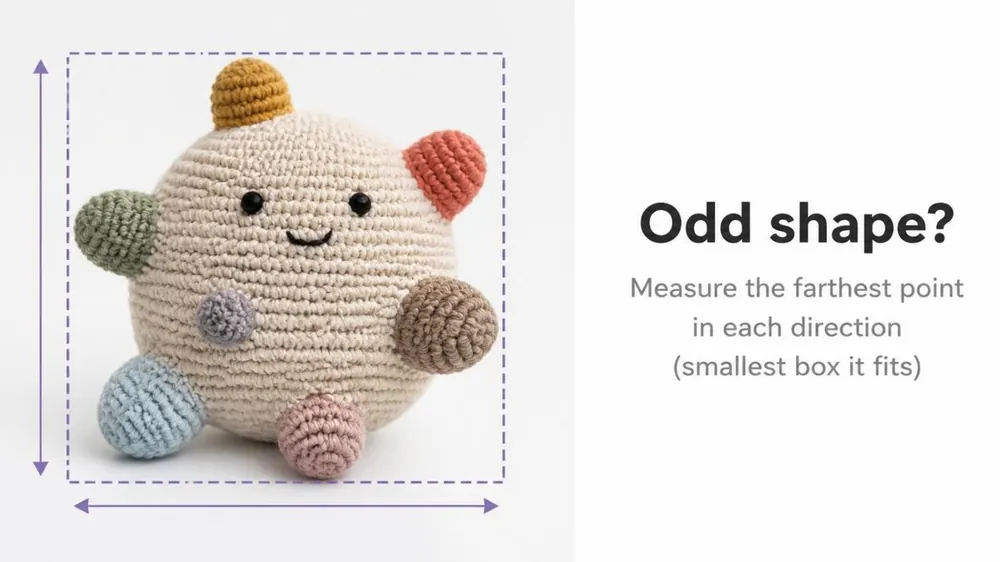
Weighing tips
- Put the scale on a flat, level table
- Check the scale shows zero before weighing
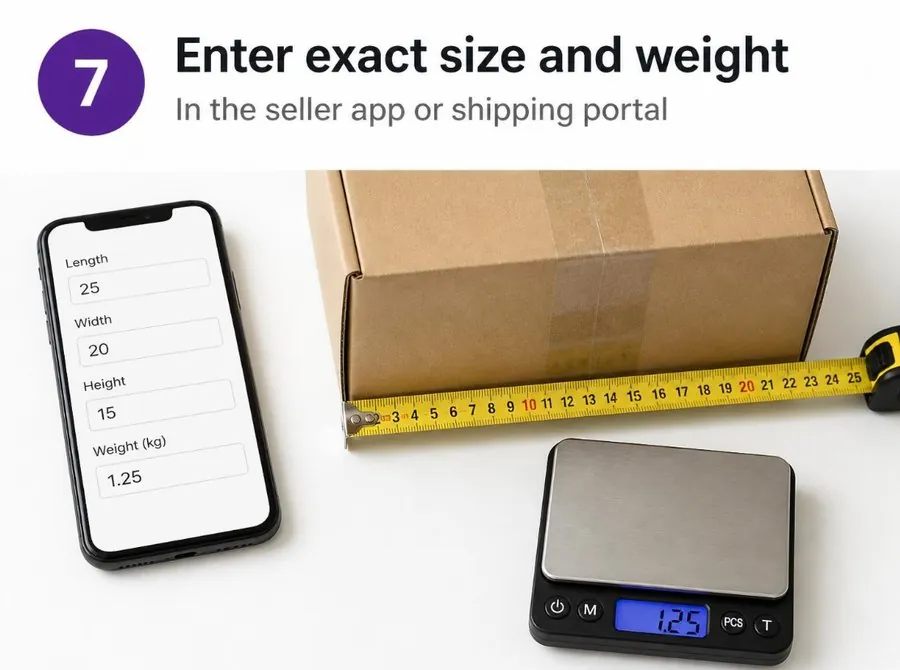
- Weigh the full sealed parcel
- Measure size after packing, weigh after sealing
Enter the right size and weight in the seller app or shipping portal.
4 common measuring mistakes
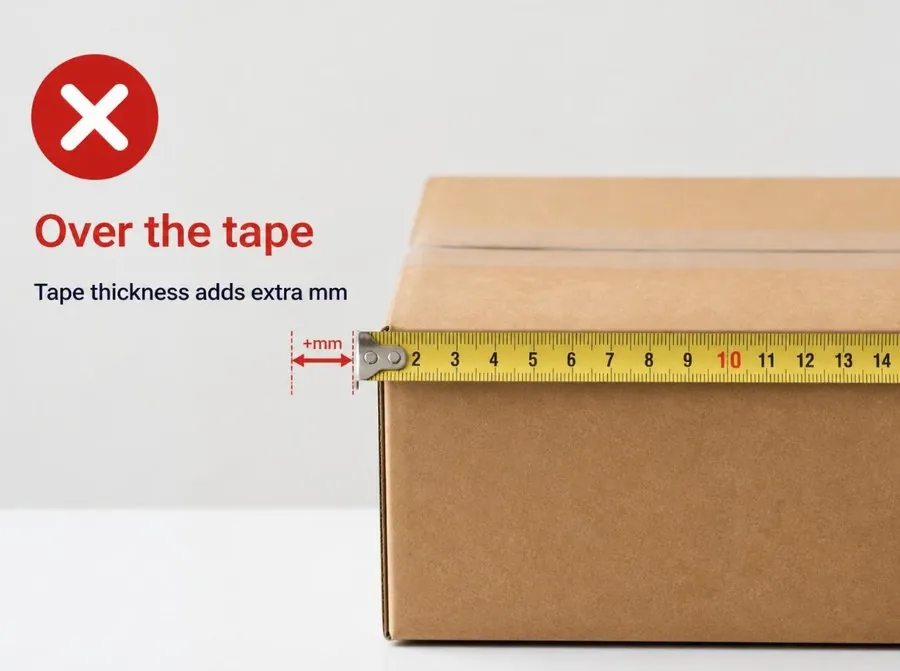
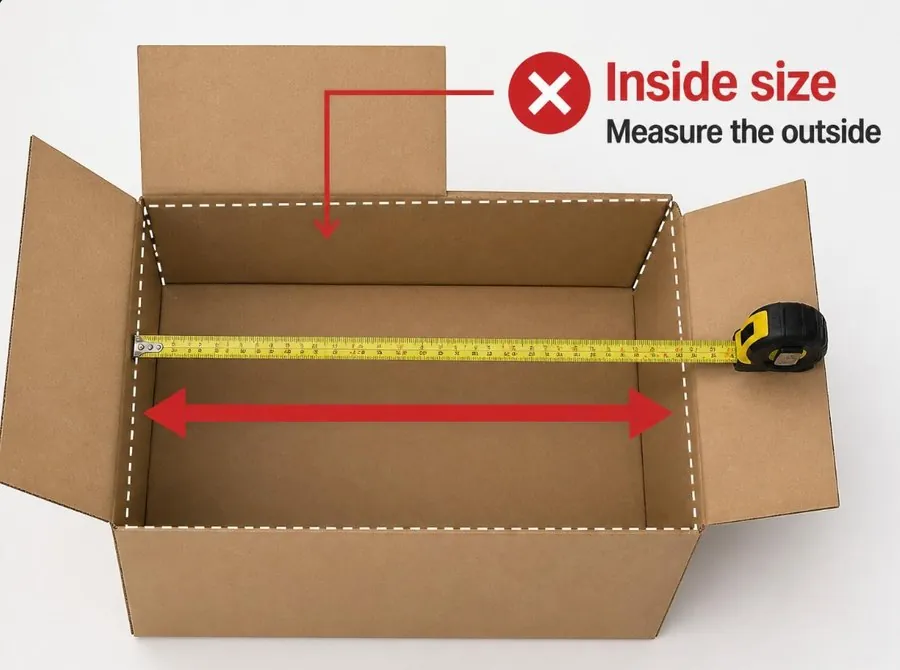
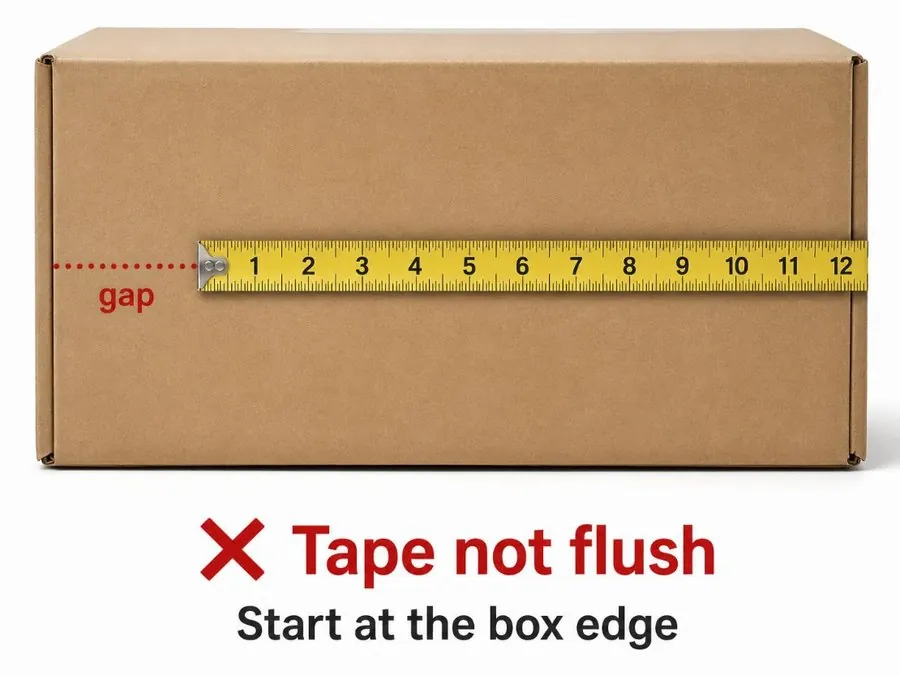
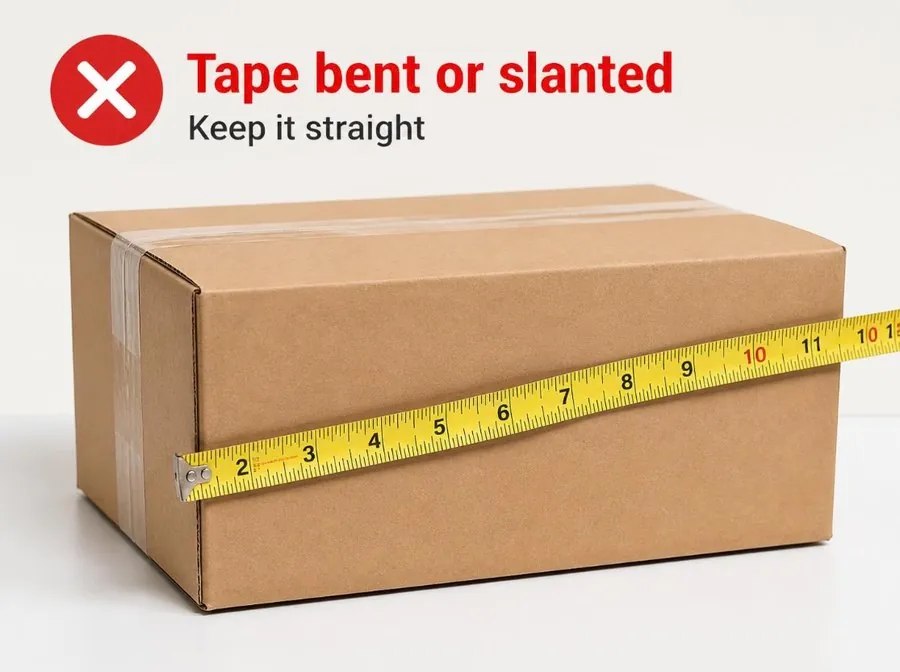
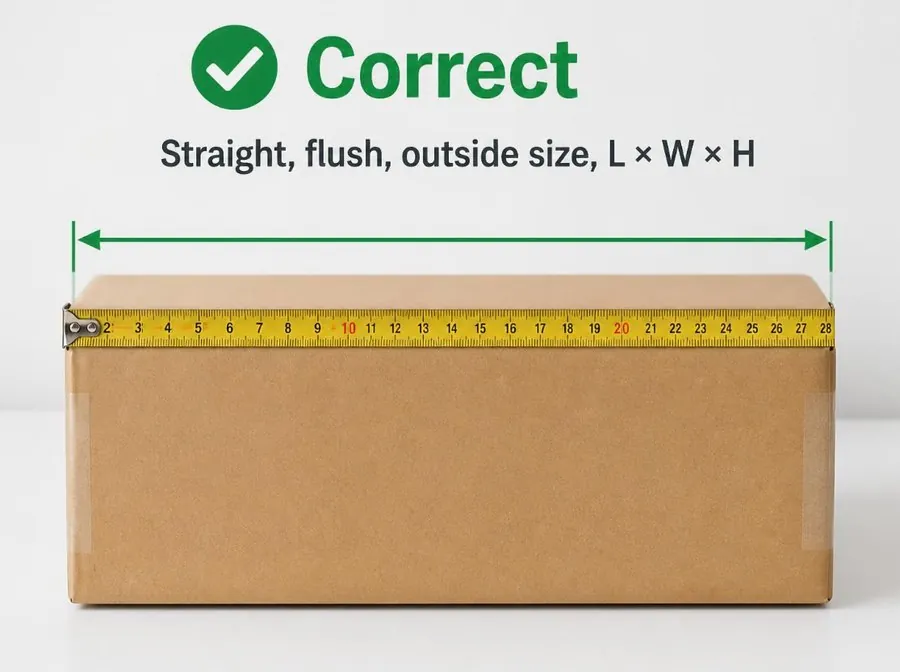
3 more mistakes
- Forgetting the padding (filler adds size)
- Rounding down. Couriers round UP.
- Mixing up H (height) and D (depth)
Pick the right box
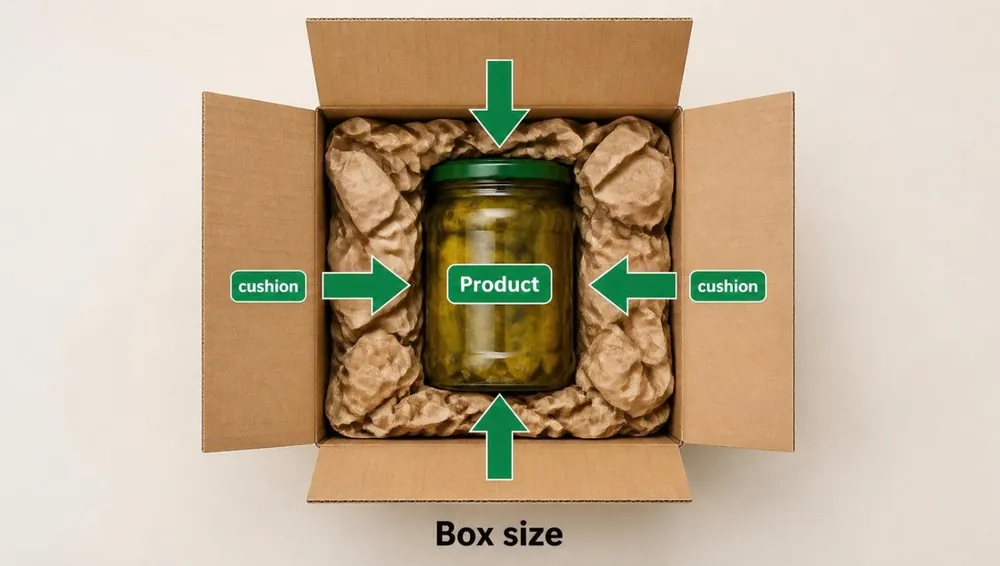
Product size + cushioning on every side = box size you need.
Tip: Test 2–3 box sizes. Pick the smallest that fits safely.
Make a size and weight chart
| Product | Packed weight | Box size (L × W × H) | Box-size weight |
|---|---|---|---|
| Mango pickle, 500 g | 800 g | 18 × 12 × 10 cm | 0.43 kg |
| Crochet bag | 250 g | 25 × 20 × 5 cm | 0.5 kg |
| Cookie box | 600 g | 25 × 20 × 15 cm | 1.5 kg |
Sample rows for illustration.
Fill it once. Reuse it for every order.
Changed your box or filler? Measure again.
7 ways to save
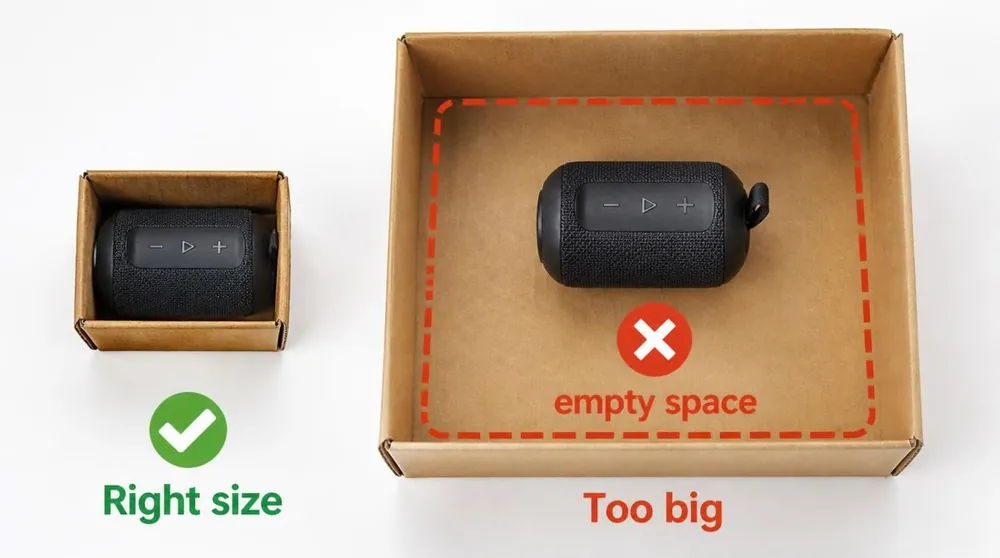
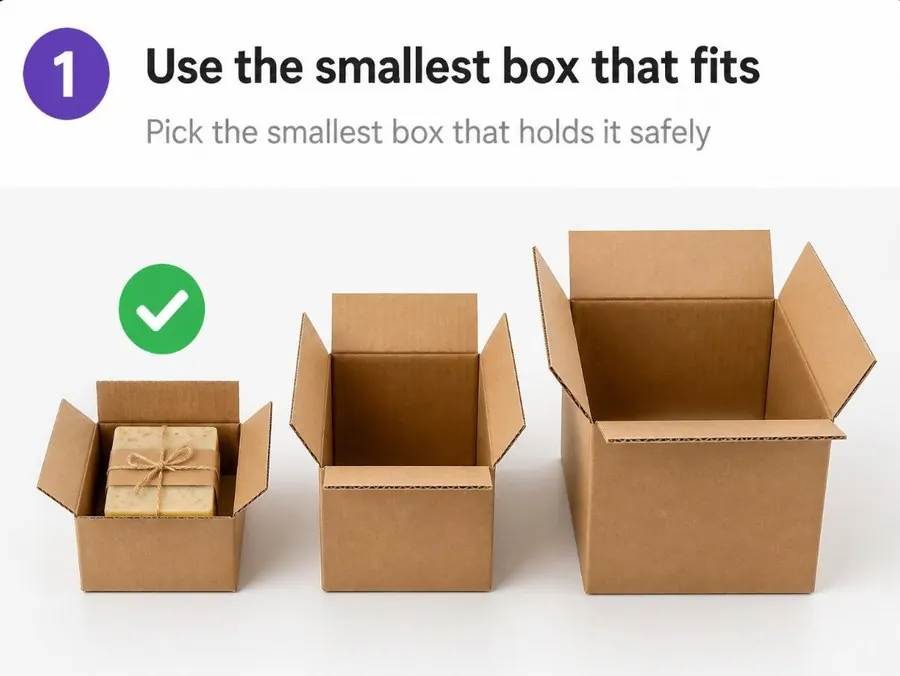
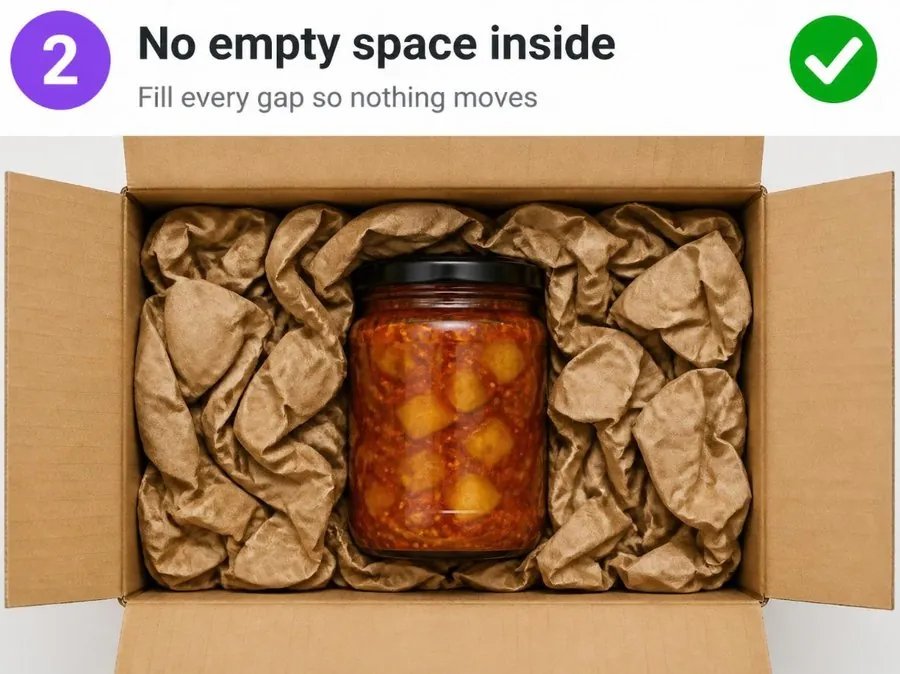
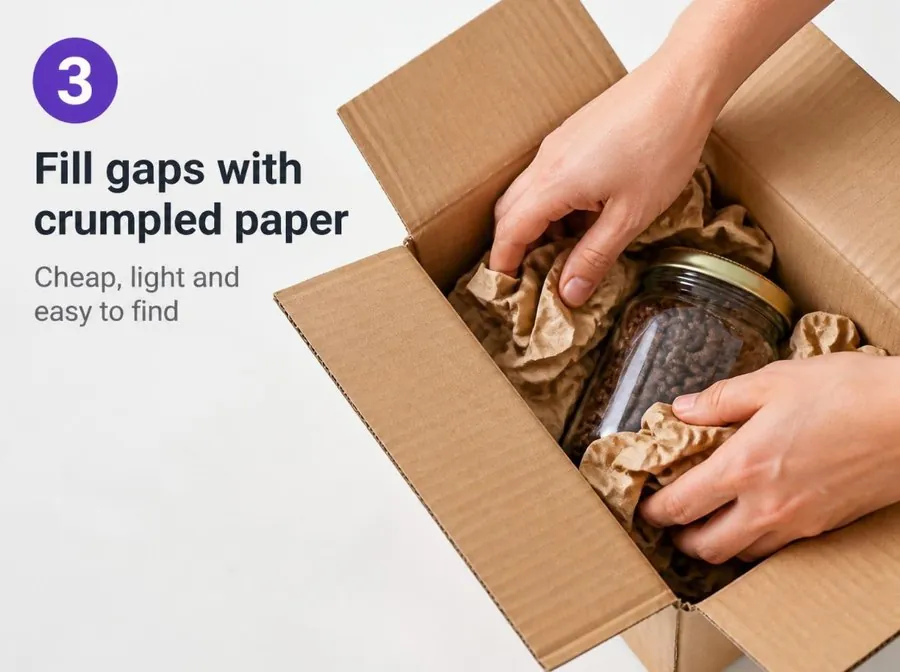
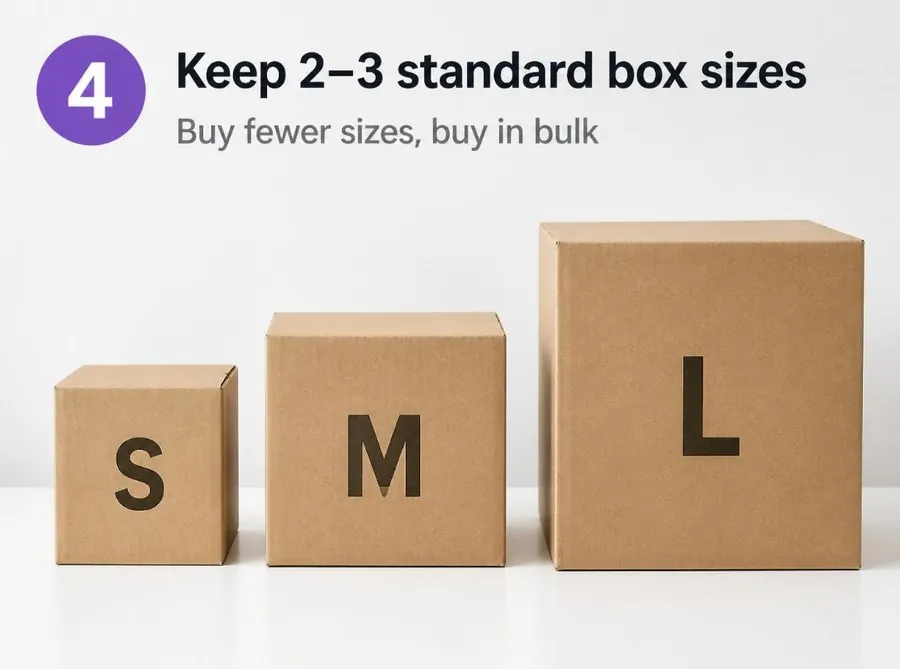
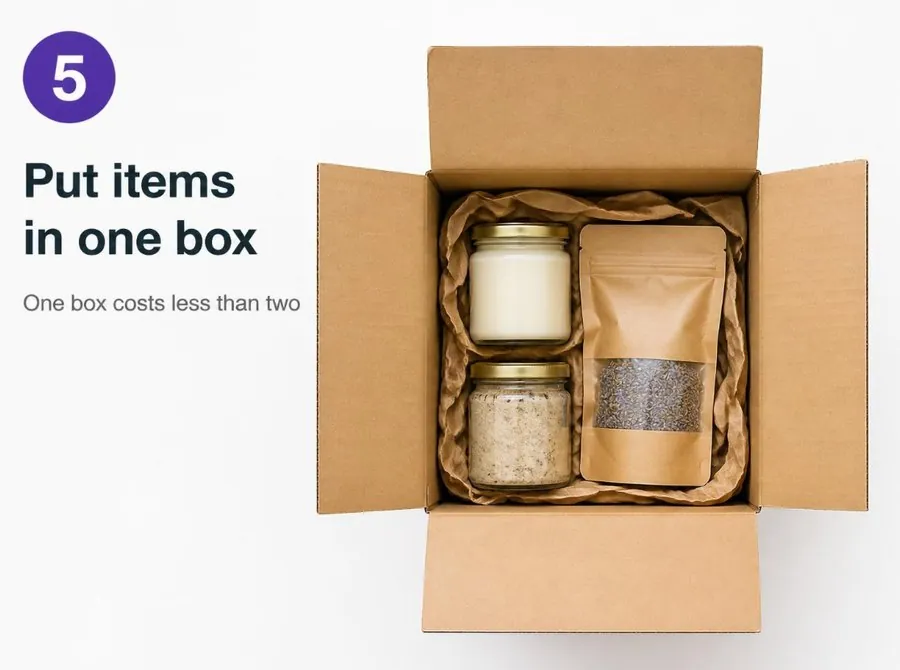
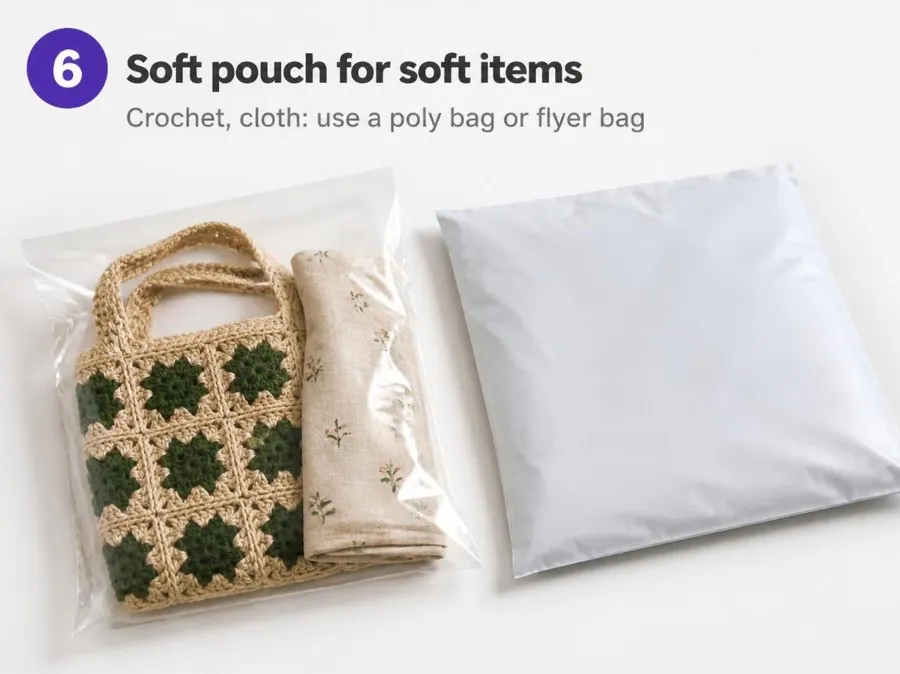
Light packing materials
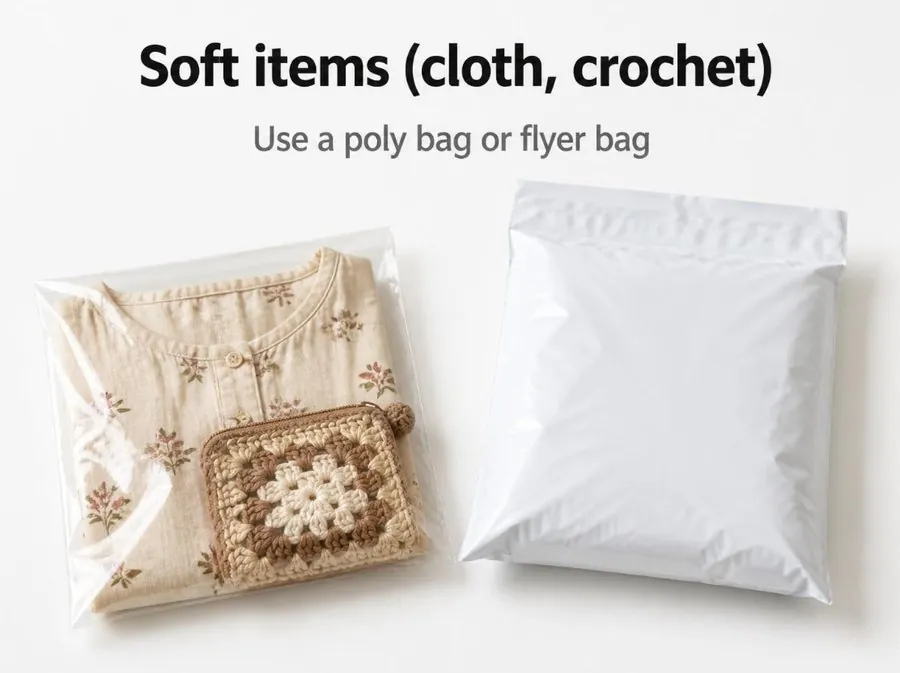

Lighter packing = lower cost.
Don't go too small
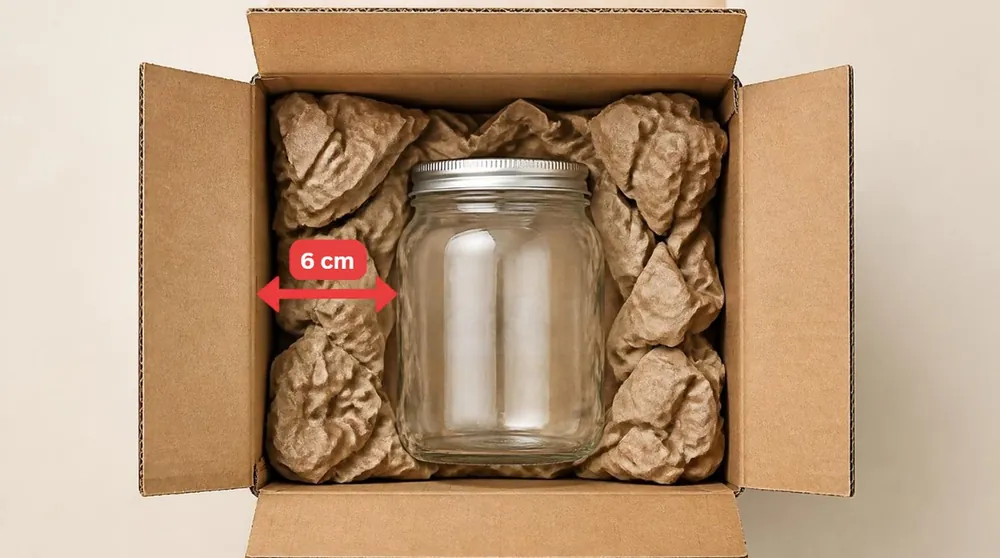
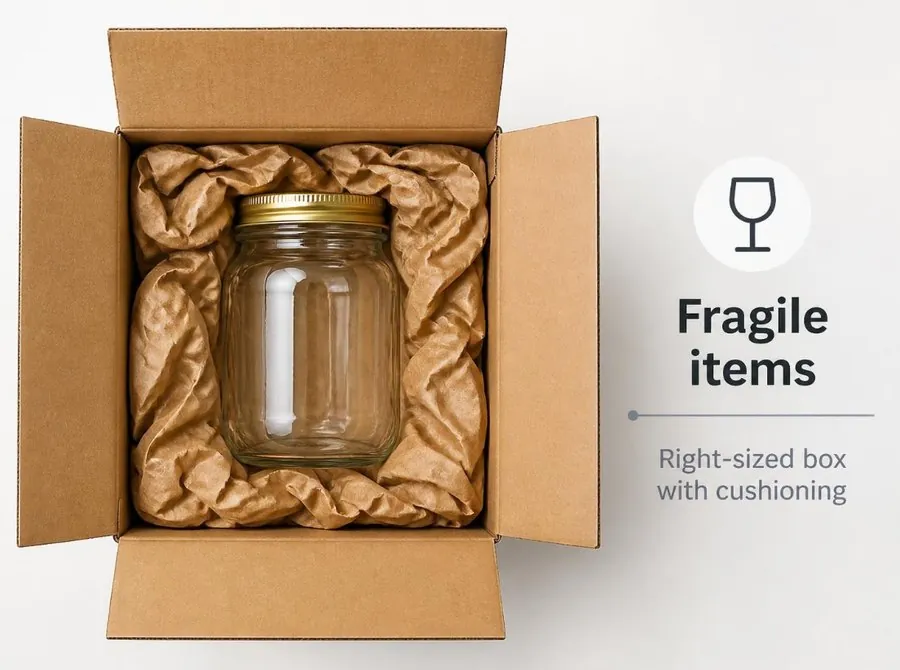
- Fragile items: keep about 6 cm gap all around.
- Sturdy items need much less.
A broken product costs more than a bigger box.
- Damaged parcel
- Return
- Replacement
- Complaint
- Bad review
Cheap packing can become expensive.
Seal strong
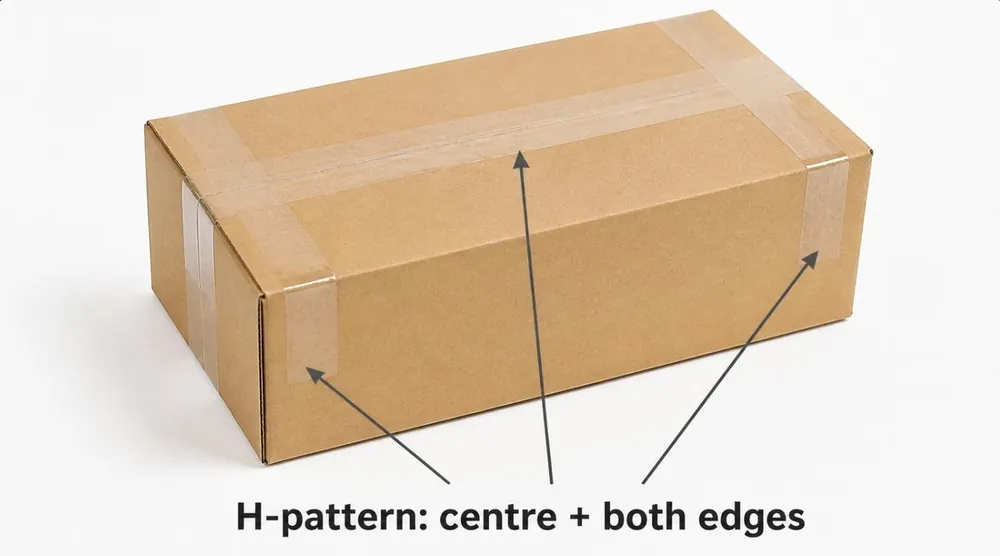
Water-resistant tape, at least 48 mm wide.
Take proof photos before sealing
Take 2 photos: one for volumetric proof, one for weight proof. Keep both.
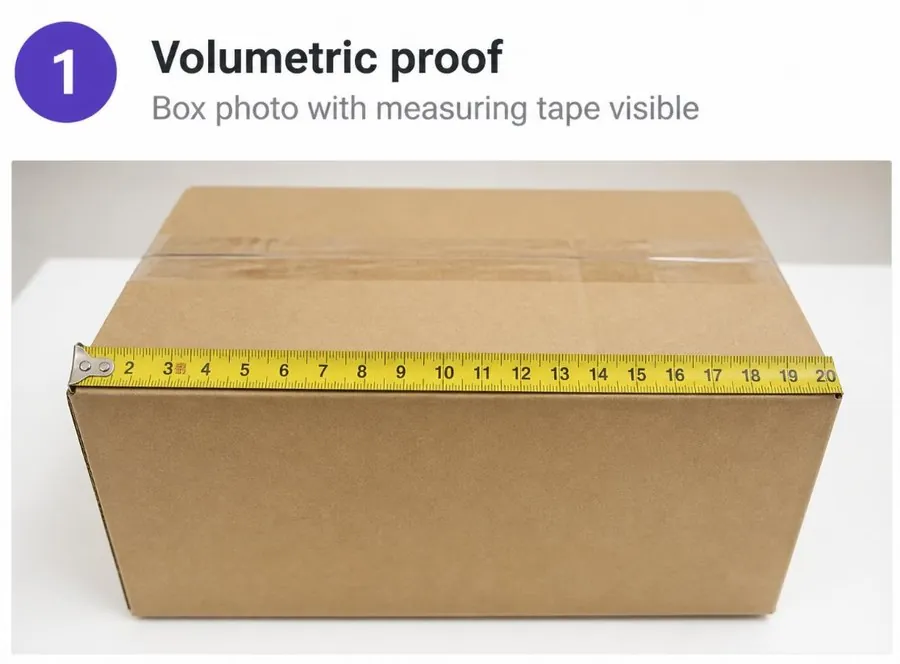
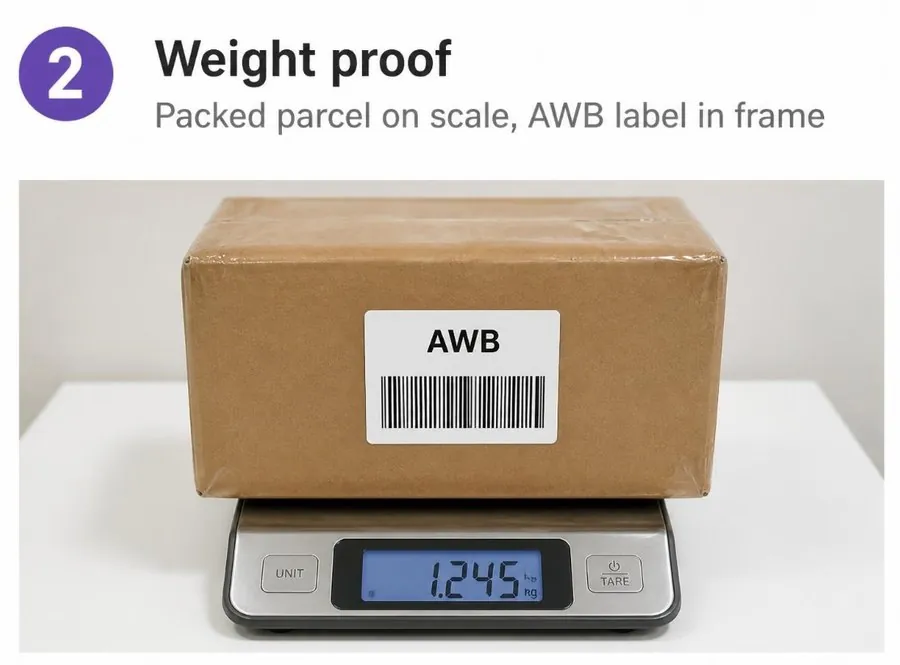
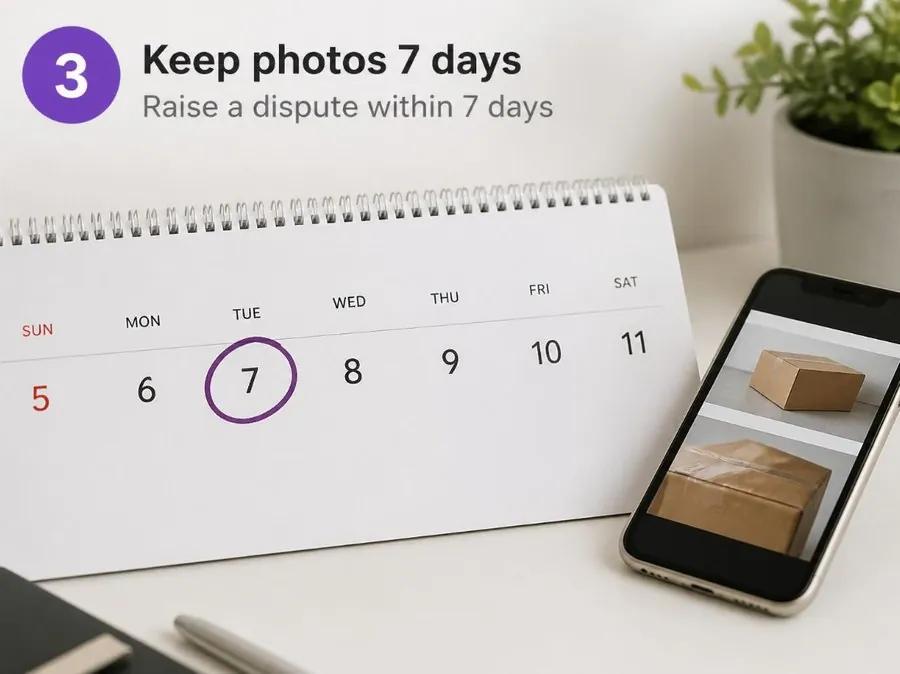
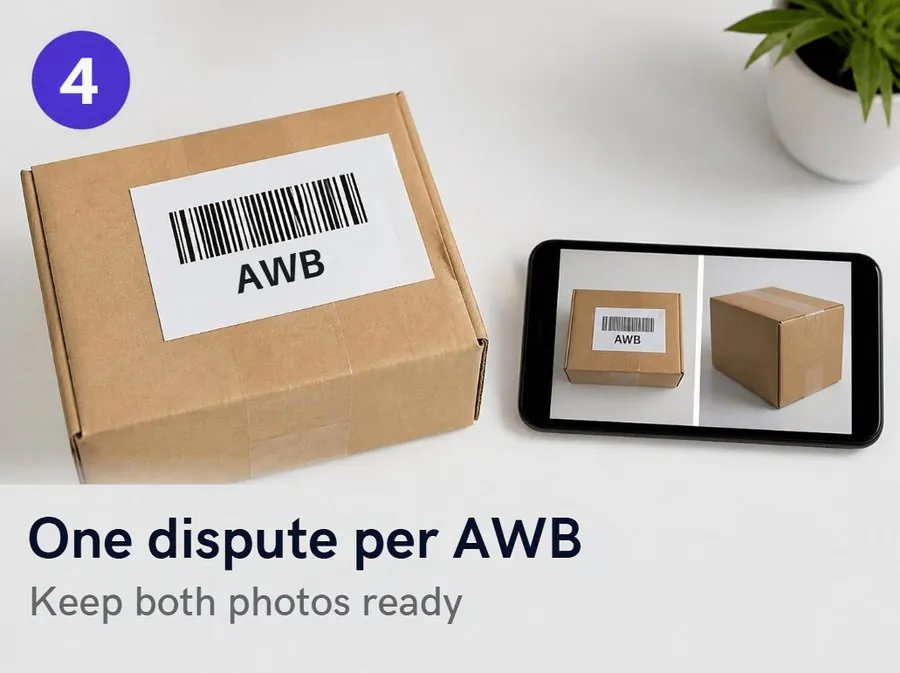
- Photo of the parcel with the measuring tape visible
- Photo of the scale display showing the weight
- Keep the packing slip and label copy
- Take extra care with costly, bulky or near-slab parcels
- Photos must be clear enough to read the numbers
Check before pickup
- Snug fit with cushioning
- Sealed on all sides
- Outside size rounded up
- Packed weight checked
- Size and weight in app or portal match the box
- Enter the TRUE weight. A lower number does not lower your charge; it only causes extra charges later.
More help: How to Pack an Order and Seller Policies: Delivery.